
Choosing a solar installer in the Central Valley starts with asking the right questions. Solar systems in this region must perform in extreme summer heat, account for local dust and air conditions, comply with PG&E’s NEM 3.0 policies, and pass city and county permitting requirements. Because of these factors, installation quality and local experience often have a greater impact on long-term performance than the equipment alone.
Research from the National Renewable Energy Laboratory (NREL) shows that many solar system issues stem from installation practices rather than technology failures, highlighting the importance of selecting a qualified installer. This guide walks you through 25 essential questions to ask before hiring a solar company, covering pricing, equipment, warranties, installation practices, and company credibility. By the end of the article, you’ll know how to evaluate proposals, recognize red flags, and choose a solar installer with confidence.
Why Ask Questions Before Hiring a Solar Company?
Hiring a solar installer is not just about choosing equipment or comparing prices. In the Central Valley, solar systems must perform reliably in extreme summer heat, account for dust and air conditions common in agricultural regions, and be designed around PG&E’s evolving rate structures and net billing rules. An installer who lacks regional experience can design a system that underperforms, delivers lower savings, or creates issues during permitting and inspection.
Installation quality also plays a critical role in long-term performance. Industry research consistently shows that many solar system problems are tied to design and installation practices rather than equipment defects. Asking the right questions helps ensure your system is properly sized, installed correctly, and supported by warranties that actually protect your investment.
Before moving forward, homeowners should verify key credentials such as NABCEP certification and valid CSLB licensing. These qualifications demonstrate technical training, regulatory compliance, and accountability, and they provide an important layer of protection against poor workmanship or unreliable contractors.
Top 25 Questions to Ask Solar Installerss
Use these questions like a scorecard. You are not looking for the perfect answer. You are looking for clear logic, specifics, and everything in writing.
Pricing and Financing
1) How do you size my system, and what is my cost per watt?
- A reliable installer should begin by reviewing your last 12 months of PG&E bills and then factor in roof orientation, shading, and any expected changes in usage, such as adding an electric vehicle, pool, or new HVAC system. Because summer electricity demand is higher in the Central Valley, system design should reflect seasonal spikes rather than simple averages. A good sign is an installer who can clearly explain their sizing logic, while quotes provided without reviewing bills or completing a site visit should raise concerns.
2) Which incentives apply to me in the Central Valley?
- While most homeowners are aware of the federal solar tax credit, local incentives and programs can significantly affect system design and overall value. An experienced Central Valley installer should be able to explain how California programs, battery rebates, and NEM 3.0 rules impact your upfront cost and long-term savings. Be cautious if the conversation stops at “you get the tax credit” without addressing state or utility-specific considerations.
3) What is included in your quote?
- A complete solar proposal should clearly outline what is included, such as panels, inverters, racking, electrical work, permits, interconnection, and monitoring. Hidden costs often arise from unmentioned items like main panel upgrades or rapid shutdown equipment. If pricing feels vague or conditional, or if items are left to be “determined later,” it can lead to thousands of dollars in unexpected costs after signing.
4) What financing options do you offer, and what happens if I sell my home?
- Installers should be able to explain the differences between loans, leases, and power purchase agreements, including ownership, tax credit eligibility, and transfer terms if you sell your home. Loans typically allow you to own the system and claim incentives, while leases and PPAs may involve buyouts or contract transfers. Always ask for financing terms in writing and be cautious of pressure to choose one option without a full comparison.
5) How has NEM 3.0 changed my payback, and how do you design around it?
- NEM 3.0 significantly reduced the value of excess energy exported to the grid, which has changed how systems should be sized and designed. A knowledgeable installer will discuss self-consumption, rate plans, and ways to reduce low-value exports, often through smarter sizing or battery integration. Be cautious if payback estimates rely on outdated assumptions from earlier net metering programs.
Equipment and Performance
6) Which panel brands do you install most often, and why?
- Panel brand consistency matters for long-term warranty support and service. In the Central Valley, where heat and UV exposure are constant, durability and manufacturer reliability are critical. A strong installer can name specific brands they regularly use and explain why those panels perform well locally. Inability to name manufacturers or frequent brand switching can be a red flag.
7) What is the panel efficiency and temperature coefficient?
- Solar panels operate at very high temperatures on Central Valley rooftops, and the temperature coefficient directly affects summer performance. An experienced installer should provide the temperature coefficient for the exact panel model being quoted and explain how heat impacts output. Claims that “all panels perform the same” often indicate a lack of technical understanding.
8) What inverter setup is best for my roof?
- Different roofs benefit from different inverter configurations. Shaded, dusty, or multi-orientation roofs often perform better with microinverters or optimizers, while simpler layouts may allow other options. A good installer tailors recommendations to your roof design rather than defaulting to one system for every project.
9) What degradation rate do you assume, and what performance is guaranteed?
- Panel degradation affects long-term energy production and savings. Quality installers should explain expected annual degradation and point to written performance warranties that guarantee minimum output over time. Unclear or unusually low warranty guarantees should prompt follow-up questions.
10) What does the 20 percent rule mean today?
- Rules of thumb like the “20 percent rule” are often misunderstood and outdated under NEM 3.0. Modern system sizing should be based on your actual usage, rate structure, and consumption patterns rather than generic shortcuts. Clear explanations grounded in data indicate a thoughtful design approach.
Warranties and Long-Term Support
11) What is the so-called 33 percent rule?
- Many homeowners hear about the “33 percent rule” without context. In reality, modern panels guarantee far higher performance at year 25 than older systems. A competent installer should clarify this misconception and reference the actual warranty language rather than relying on vague assurances.
12) What warranties do I receive for panels, inverters, and workmanship?
- Solar systems include multiple warranties covering equipment and installation quality. Installers should clearly outline product warranties, performance guarantees, inverter coverage, and workmanship protection in a single, easy-to-understand summary. Short or poorly defined workmanship warranties deserve scrutiny.
13) If equipment fails, who covers labor and response time?
- Even when parts are under warranty, labor costs and response delays can be frustrating. Ask how warranty claims are handled and whether the installer manages diagnostics and replacements. Being told to deal directly with manufacturers can signal weak post-install support.
14) Do you provide system monitoring, and is it included long-term?
- Monitoring allows homeowners to track production and quickly identify issues. Installers should explain what monitoring platform is used, what data you can access, and whether any fees apply over time. Limited or subscription-based monitoring may reduce long-term value.
15) What maintenance do you recommend for Central Valley dust conditions?
- Dust buildup is common in agricultural regions and can affect output if ignored. A knowledgeable installer will discuss tilt, spacing, and realistic expectations for cleaning rather than claiming panels require no maintenance at all.
Installation and Local Process
16) Who installs the system?
- Understanding whether installations are completed by in-house employees or subcontractors helps clarify accountability. Installers should be transparent about who performs roofing, electrical, and commissioning work. Vague answers can indicate fragmented responsibility if problems arise.
17) What is the realistic timeline from contract to PG&E permission to operate?
- Local experience shows in permitting timelines and utility coordination. Installers familiar with Central Valley jurisdictions can provide realistic ranges and explain where delays typically occur. Overly generic timelines may not reflect actual conditions.
18) How do you protect my roof and preserve roof warranties?
- Roof penetrations and flashing quality directly affect long-term roof performance. Installers should explain attachment methods, flashing systems, and leak protection measures in detail. Answers that lack specifics may increase risk.
19) How do you design for heat management?
- Proper airflow and spacing beneath panels help reduce operating temperatures and improve efficiency. An installer who explains standoff height, layout decisions, and heat mitigation strategies demonstrates awareness of Central Valley conditions.
20) Do you manage PG&E interconnection and paperwork?
- The interconnection process involves applications, documentation, and follow-up with PG&E. Installers should manage this end-to-end and keep homeowners informed. Expecting homeowners to handle utility steps themselves is a warning sign.
Company Credibility
21) Can you provide recent local references?
- Speaking with recent customers offers insight into communication, workmanship, and follow-through. Installers should be willing to share references from the past year in nearby communities. Reluctance to provide them can indicate issues.
22) What licenses and insurance do you carry?
- Proper licensing and insurance protect homeowners from liability and unfinished work. Installers should readily provide CSLB license numbers and proof of coverage. Hesitation or incomplete information warrants caution.
23) How many systems have you installed in the Central Valley?
- Local installation volume reflects familiarity with permitting offices, inspectors, and regional design challenges. Installers should be able to discuss experience by city or county rather than relying only on national numbers.
24) How are post-install issues handled?
- Solar is a long-term investment, so service processes matter. Ask about response times, escalation paths, and whether diagnostics can be performed remotely through monitoring. Clear answers show preparedness.
25) What happens to my warranties if your company closes?
- This question tests transparency and long-term planning. Strong installers calmly explain manufacturer-backed warranties and any third-party workmanship protection, rather than becoming defensive or dismissive.
Red Flags When Hiring a Solar Company
Certain warning signs can indicate an installer may cut corners, rush the sales process, or lack long-term accountability. Watch for the following issues as you compare solar quotes.
- High-pressure sales tactics that rely on limited-time offers or urgency
- Quotes provided without a site assessment or review of PG&E usage
- Vague or undocumented warranty terms, or unwillingness to provide details in writing
- Heavy reliance on subcontractors without clear quality control or oversight
- Door-to-door solicitation during peak solar season with minimal system design discussion
- Pricing 30–40% below comparable bids, often signaling lower-quality equipment or rushed installation
- Inability to provide recent local references from your area
- Hesitation to share CSLB license numbers or proof of insurance
- Requests for large upfront payments before permits or system approvals are issued
If you encounter one or more of these red flags, slow the process down and seek additional proposals. Reputable solar installers welcome questions, provide transparent documentation, and never pressure homeowners into rushed decisions.
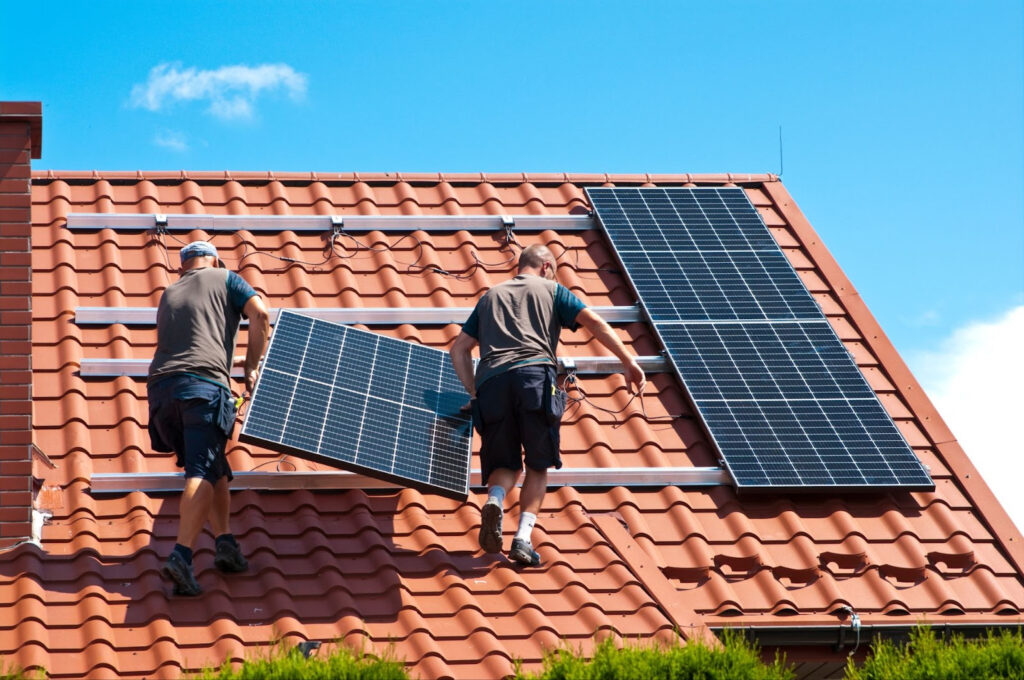
How to Choose the Right Solar Installer in the Central Valley
Choosing the right solar installer is just as important as choosing the right equipment. These 25 questions help you identify companies with real Central Valley experience, clear pricing, and the credentials to stand behind their work.
Next, request proposals from at least three installers and compare answers carefully. Verify CSLB licensing, confirm insurance coverage, and speak with recent local customers before making a decision.
If you want help reviewing proposals or understanding how NEM 3.0 affects your options, contact us to schedule a consultation. With the federal solar tax credit set at 30% through 2032 and strong local solar production, a well-informed choice today can deliver decades of savings and peace of mind.
People Also Ask: Quick Answers
What questions should I ask solar installers?
Ask about total cost per watt, incentives, hidden fees, equipment quality, warranties, and installer credentials. Also ask how they design for Central Valley heat, dust, PG&E interconnection, and NEM 3.0.
What is the 20% rule for solar panels?
The 20% rule once suggested offsetting at least 20% of electricity use to justify solar. Under NEM 3.0, most systems are now sized to offset 85–100% of usage for better economics.
What is the 33% rule in solar panels?
The 33% rule refers to older warranties allowing panels to drop to 67% output by warranty end. Modern Tier 1 panels typically guarantee 80–92% production at year 25.
What questions are asked in a solar energy interview for installers?
Installers are tested on system sizing, panel performance in heat, mounting methods, and electrical code compliance. Interviews also cover inverters, shading solutions, safety practices, and PG&E interconnection.
